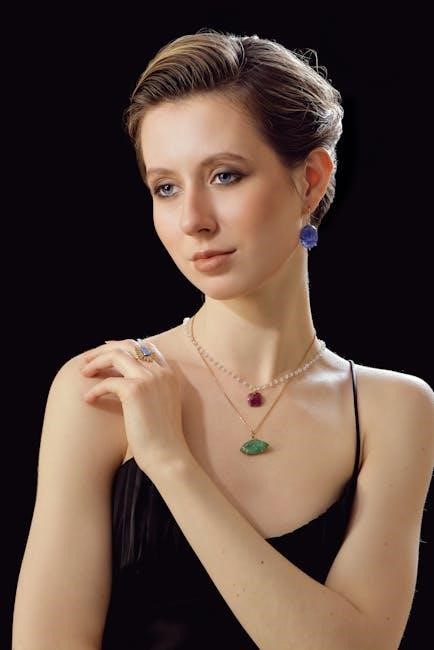
diamond earring size guide
Diamond Earring Size Guide: A Comprehensive Plan
Navigating diamond earring sizes requires understanding carat weight‚ cut‚ shape‚ and how they relate to ear lobe suitability.
This guide offers a detailed plan for selecting
the perfect studs‚ considering both aesthetic appeal and
comfortable daily wear‚ with resources for informed decisions.
Understanding Carat Weight
Carat weight is a fundamental aspect when choosing diamond earrings‚ representing the diamond’s actual weight‚ not its size. One carat is equivalent to 200 milligrams. However‚ it’s crucial to remember that carat weight doesn’t directly correlate to visual size; a diamond’s cut and shape significantly influence how large it appears.
When discussing earrings‚ you’ll encounter two key terms: single stud carat weight and total carat weight (TCW). Single stud carat weight refers to the weight of one earring‚ while TCW represents the combined weight of the pair. For example‚ a pair of earrings with a TCW of 2.0 carats means each earring weighs 1.0 carat.
Higher carat weights generally indicate larger diamonds and‚ consequently‚ a higher price. However‚ a smaller diamond with an excellent cut can sometimes appear larger than a larger diamond with a poor cut. Therefore‚ focusing solely on carat weight isn’t enough; considering the other “4Cs” – cut‚ clarity‚ and color – is essential for maximizing value and visual impact.
Single vs. Total Carat Weight (TCW)
Distinguishing between single carat weight and total carat weight (TCW) is vital when purchasing diamond earrings. Single carat weight denotes the weight of an individual diamond earring‚ providing insight into the size of one stud. This is particularly useful when comparing individual earring sizes across different pairs.
Conversely‚ TCW represents the combined weight of both earrings in a pair. A TCW of 4.0 carats signifies that each earring weighs 2.0 carats. Many retailers advertise earrings using TCW‚ as it provides a quick understanding of the overall sparkle and presence of the pair.
Understanding this difference prevents confusion and ensures you’re comparing apples to apples. A pair advertised as “2;0 carat total weight” will appear smaller than a pair with a 4.0 carat TCW‚ even if the cut and shape are identical. Always clarify whether the quoted weight refers to a single earring or the pair to make an informed decision aligned with your desired look and budget.
How Cut Impacts Perceived Size
The cut of a diamond significantly influences how large it appears‚ even when carat weights are identical. A well-cut diamond maximizes light reflection‚ creating brilliance and fire‚ which can make it seem larger than a poorly cut stone of the same weight.
Diamonds with excellent cuts have precise proportions‚ symmetry‚ and polish. This allows light to enter‚ bounce around internally‚ and exit through the top‚ enhancing its visual size. Conversely‚ a diamond with a deep or shallow cut can lose light through the sides or bottom‚ making it appear smaller and duller.
Brilliant cuts‚ like round brilliant‚ are designed to maximize sparkle and perceived size. Fancy shapes‚ such as cushion or elongated cushion‚ may appear larger due to their spread‚ but can sometimes sacrifice brilliance. Prioritizing cut grade is crucial; a higher grade ensures optimal light performance and a more impressive visual impact‚ effectively maximizing the perceived size of your diamond studs.
Diamond Shape and Size Perception
Beyond carat weight‚ the shape of a diamond dramatically affects how large it appears on the earlobe. Round diamonds are classic and generally maximize brilliance‚ but certain fancy shapes can create the illusion of greater size.
Elongated shapes‚ like oval or marquise‚ have a larger surface area for a given carat weight‚ making them appear bigger than round diamonds of the same weight. Cushion cuts offer a balance between brilliance and spread‚ providing a substantial look. Princess cuts‚ while square‚ can also appear larger due to their shape.
However‚ it’s important to note that spread isn’t everything. Some fancy shapes may sacrifice some brilliance for increased surface area. Consider your personal preference and how the shape complements your face and earlobe size. Two diamonds with the same carat weight can look quite different depending on their cut and shape‚ impacting the overall perceived size and aesthetic.
Ear Lobe Size and Suitability
Determining the ideal diamond earring size is intrinsically linked to the size and shape of your earlobes. Smaller earlobes are generally better suited to more delicate studs‚ typically under 1.0 carat total weight (TCW)‚ to maintain proportion and avoid an overwhelming appearance.
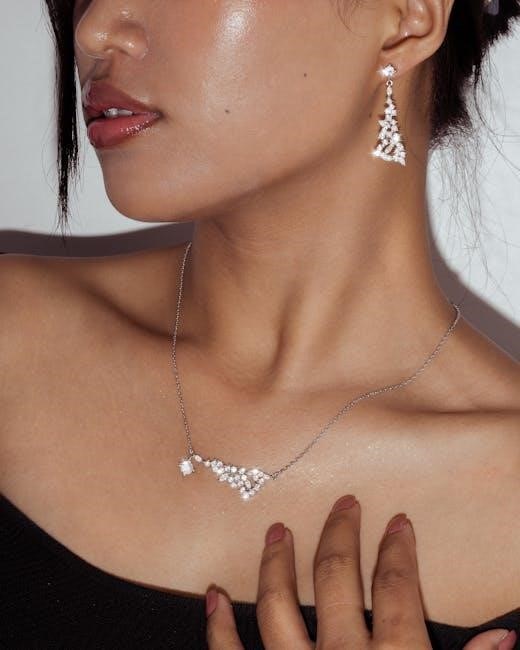
Larger earlobes can comfortably accommodate larger studs‚ even exceeding 2.0 carats TCW‚ without looking disproportionate. However‚ even with larger lobes‚ consider the overall balance and your personal style. A 2ctw size is often considered perfect for many‚ appearing noticeable without being overly large.
It’s crucial to avoid earrings that are too heavy‚ as they can cause discomfort or even stretch the earlobe over time. The diameter of the diamond‚ measured in millimeters‚ is a key factor‚ as it directly impacts the visible size on the earlobe. Prioritize comfort alongside aesthetics for enjoyable daily wear.

Diameter in Millimeters: The Key Measurement
While carat weight is a common metric‚ the diameter of a diamond earring‚ measured in millimeters (mm)‚ is the most accurate indicator of its visible size on your earlobe. Carat weight refers to the diamond’s weight‚ not its physical dimensions. Two diamonds with the same carat weight can appear different sizes depending on their cut and shape.
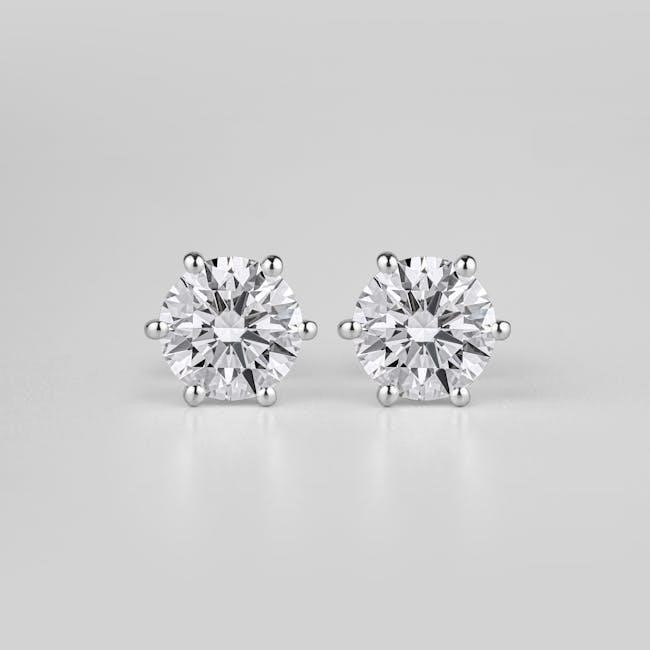
A diamond’s cut significantly influences its diameter. A well-cut diamond will maximize its brilliance and appear larger than a poorly cut diamond of the same carat weight. Shape also plays a role; for example‚ a princess-cut diamond typically appears larger than a round brilliant of the same carat weight.
Focusing on diameter allows for a more precise comparison when trying on earrings or shopping online. Charts‚ like those offered by Aurika Gems‚ translate carat weight into corresponding millimeter measurements‚ providing a visual guide for informed decision-making. This ensures the earrings will have the desired presence and proportion on your lobes.
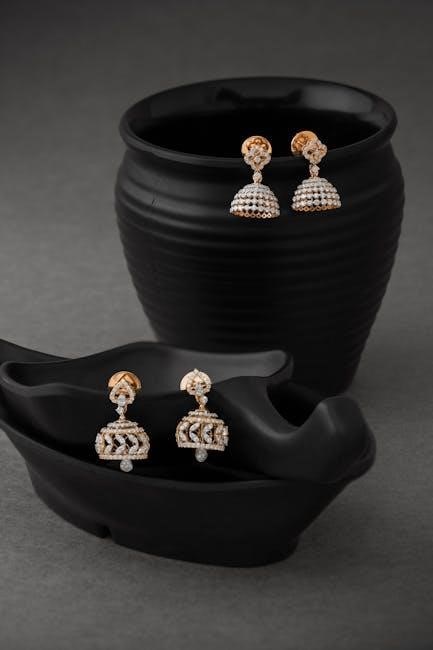
Diamond Stud Size Guide by Ear Lobe Size
Selecting the ideal diamond stud size hinges on the size and shape of your earlobes. Smaller earlobes generally suit smaller diamonds‚ typically ranging from 0.5 to 1.0 carat total weight (TCW)‚ with diameters around 3.0-5.0mm. Larger earlobes can accommodate larger diamonds‚ such as 1.0 to 2.0 carat TCW (5.0-7.0mm diameter)‚ without appearing disproportionate.
Consider the overall balance. Overly large studs on small lobes can look overwhelming‚ while small studs on large lobes may get lost. A 2 carat total weight (ctw) is often considered a sweet spot‚ offering noticeable sparkle without being excessively large for many earlobe sizes‚ as noted in Reddit discussions.
Personal preference is key. Some individuals prefer a more subtle look‚ while others desire a bolder statement. It’s beneficial to try on different sizes to visualize how they complement your features. Remember‚ the goal is to find studs that enhance your natural beauty and provide comfortable‚ confident wear.
Popular Carat Weights for Studs (0.5 ⎻ 1.0 Carat)
Diamonds within the 0.5 to 1.0 carat range are exceptionally popular for stud earrings‚ striking a balance between affordability and noticeable brilliance. A 0.5 carat total weight (TCW) offers a delicate sparkle‚ ideal for everyday wear and those preferring a subtle aesthetic. These typically measure around 3.0-3.5mm in diameter.
Moving up to 0.75 carats provides a slightly more prominent look‚ enhancing visibility without being overly extravagant. One carat TCW studs (approximately 5.0-5.5mm) are a classic choice‚ offering significant sparkle and a sophisticated appearance. They are frequently recommended as a versatile option suitable for various occasions.
This carat weight is often considered a ‘safe’ starting point‚ flattering most earlobe sizes. The price point remains relatively accessible‚ making them a popular gift choice. Online resources‚ like Aurika Gems‚ visually demonstrate how these sizes translate to diameter‚ aiding informed decision-making.
Mid-Range Options (1.0 ⏤ 2.0 Carat)
Stepping into the 1.0 to 2.0 carat range introduces a noticeable increase in sparkle and presence. One carat total weight (TCW) studs‚ measuring roughly 5.0-5.5mm‚ are a popular choice‚ offering a sophisticated look suitable for both daily wear and special events. As carat weight increases‚ so does the diamond’s visual impact.
Diamonds around 1.5 carats TCW (approximately 6.5-7.0mm) provide a more substantial appearance‚ ideal for those desiring a bolder statement without venturing into overly large sizes. Two carats TCW (around 7.5-8.0mm) are considered a luxurious option‚ offering significant brilliance and commanding attention.
Reddit discussions highlight that 2 carat TCW studs can be “perfect” for daily wear‚ appearing noticeable yet proportionate on many earlobes. However‚ comfort should be considered‚ as larger stones have more weight. Careful consideration of cut and shape is crucial‚ as these factors influence perceived size.
Larger Statement Studs (2.0 Carat and Above)
Venturing beyond 2.0 carats total weight (TCW) signifies a bold and luxurious statement. These larger diamond studs‚ typically measuring 8.0mm and above‚ command attention and exude sophistication. While visually striking‚ careful consideration of ear lobe size and comfort is paramount.
Studs in this range—2.5 carats TCW (around 8.5-9.0mm) and larger—are best suited for those with larger earlobes capable of supporting the weight and size. Reddit users have noted that 3 carat TCW studs can be “fabulous‚” but individual comfort levels vary. The elongated cushion cut‚ mentioned in discussions‚ can offer a larger look without excessive width.
It’s crucial to remember that larger diamonds aren’t necessarily more comfortable. Daily wear with substantial studs may require adjustments and a secure setting. Prioritize a high-quality cut to maximize brilliance and minimize any potential visual drawbacks associated with increased size. These are truly statement pieces.
Face Shape Considerations
Selecting diamond stud earrings isn’t solely about carat weight; face shape plays a vital role in achieving a harmonious look. The goal is to create balance and enhance your natural features. Different shapes benefit from varying stud sizes and styles.
For round faces‚ larger‚ elongated shapes like pear or marquise can add length and definition. Conversely‚ those with longer faces may find that round or square studs create width and balance. Heart-shaped faces often look stunning with studs that are wider at the bottom‚ mirroring the face’s natural shape.
Individuals with angular faces can soften their features with round or oval studs. It’s important to note that these are guidelines‚ not strict rules. Ultimately‚ personal preference reigns supreme. As highlighted in various guides‚ two diamonds with the same carat weight can appear different based on cut and shape‚ influencing how they complement your face.
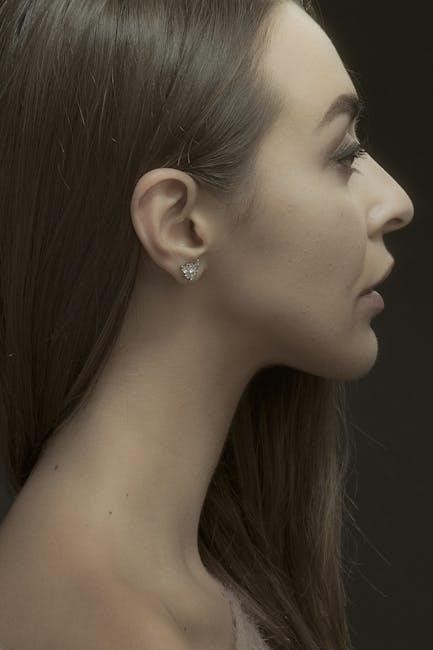
Choosing Between Round and Fancy Shapes
The classic round brilliant cut remains the most popular choice for diamond studs‚ celebrated for its exceptional brilliance and fire. However‚ “fancy shapes” – encompassing everything beyond round – offer unique aesthetics and can sometimes appear larger for the same carat weight;
Elongated shapes like oval‚ pear‚ or marquise can create the illusion of greater size and flatter the earlobe. Cushion cuts provide a softer‚ more romantic look‚ while princess cuts offer a modern‚ geometric appeal. The choice depends on personal style and desired effect.
Consider that fancy shapes may not exhibit the same level of brilliance as round diamonds due to differences in light performance. As noted in various resources‚ cut significantly impacts perceived size. Round diamonds generally maximize light return‚ while fancy shapes require careful evaluation of cut quality. Ultimately‚ selecting between round and fancy shapes is a matter of balancing brilliance‚ size perception‚ and individual preference.

Comfort and Daily Wear Considerations
When selecting diamond studs for everyday wear‚ comfort is paramount. Larger carat weights‚ while visually striking‚ can become cumbersome or even painful with prolonged use‚ particularly during sleep. As one Reddit user noted‚ finding comfortable earrings for sleeping can be challenging.
The setting style also impacts comfort. Prong settings‚ while showcasing the diamond beautifully‚ can sometimes snag on hair or clothing. Bezel settings offer a more secure and streamlined profile‚ minimizing potential discomfort.
Backings play a crucial role. Screw-back settings are generally more secure than push-back settings‚ reducing the risk of loss‚ but may require more effort to put on and take off. Consider your lifestyle and activity level when choosing a backing. Prioritize a secure yet comfortable fit to ensure you can enjoy your diamond studs daily without irritation or worry.
Online Resources and Size Charts (Aurika Gems‚ Etsy Templates)
Numerous online resources can aid in visualizing diamond earring sizes. Aurika Gems provides a helpful chart translating carat weight into diameter measurements in millimeters – a crucial metric for perceived size. This allows for a better understanding of how different carat weights will appear on the earlobe.
Etsy offers a variety of editable and printable diamond stud earring size guide templates. These templates‚ often around 2000×2000 pixels and customizable‚ serve as visual aids for customers. They illustrate approximate measurements and can be tailored to specific gemstone sizes.
These resources are particularly valuable when purchasing online‚ where trying on earrings isn’t possible. Remember that these charts are guides; individual perception and ear lobe size will influence the ideal size. Utilizing multiple resources and considering personal preferences will lead to a more satisfying purchase.
Converting Carats to Milligrams

Understanding the relationship between carats and milligrams is fundamental when discussing diamond weight. A carat is the standard unit for measuring diamond weight‚ but it’s often helpful to convert to milligrams for a more precise understanding‚ especially when comparing smaller diamonds.
One carat is precisely defined as 200 milligrams. This conversion is essential because carat weight directly influences the diamond’s price‚ but the visible size isn’t solely determined by weight. Cut and shape also play significant roles.
For example‚ two diamonds with the same carat weight can appear different in size depending on their cut. A well-cut diamond will appear larger than a poorly cut one of the same weight. Therefore‚ while carat weight provides a baseline‚ considering the millimeter diameter is crucial for assessing the actual visible size of the earring.