knife guide for sharpening
Knife Sharpening: A Comprehensive Guide
This guide delves into the art of knife sharpening‚ exploring techniques to restore and maintain razor-sharp edges for optimal performance and safety in the kitchen․
Understanding the nuances between honing and sharpening is crucial‚ as is recognizing the impact of knife material on the sharpening process․
We’ll cover essential tools‚ from whetstones and honing rods to electric sharpeners‚ and provide step-by-step instructions for achieving professional results․
Understanding Sharpening vs․ Honing
Many people mistakenly use “sharpening” and “honing” interchangeably‚ but they are distinct processes vital for knife maintenance․ Honing doesn’t actually sharpen the blade; instead‚ it realigns the microscopic teeth that bend over with use․ Think of it like straightening a slightly crumpled piece of paper – it looks better‚ but no material is removed․
Sharpening‚ on the other hand‚ removes metal to create a new‚ sharp edge․ Over time‚ the blade becomes dull and requires sharpening to restore its cutting ability․ This is akin to sanding down a worn surface to reveal a fresh‚ clean layer․
Regular honing (before or after each use) maintains the existing edge for longer‚ reducing the frequency of sharpening․ Sharpening is needed less often‚ depending on usage and the knife’s material․ Understanding this difference allows you to properly care for your knives‚ ensuring they remain safe and effective for years to come․
The Importance of Knife Material
The material a knife is made from significantly impacts how you sharpen it․ Different steels have varying levels of hardness and abrasion resistance‚ dictating the grit of whetstones and the pressure needed during sharpening․ Softer steels‚ commonly found in less expensive knives‚ sharpen quickly but lose their edge faster‚ requiring more frequent attention․
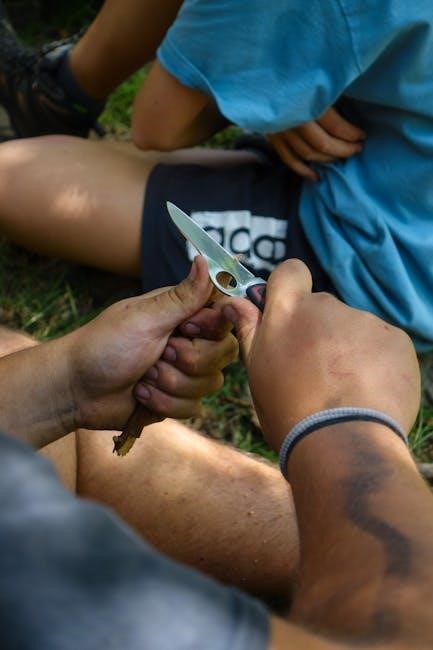
Harder steels‚ like those used in high-end Japanese knives‚ hold an edge longer but are more challenging to sharpen‚ often needing diamond abrasives․ Stainless steel offers a balance of sharpness‚ durability‚ and corrosion resistance‚ making it a popular choice․
Knowing your knife’s steel type – whether it’s high-carbon stainless‚ tool steel‚ or Damascus – is crucial for selecting the appropriate sharpening tools and techniques․ Ignoring the material can lead to ineffective sharpening‚ damage to the blade‚ or even breakage․
Essential Knife Sharpening Tools
A successful sharpening routine relies on having the right tools․ Whetstones are foundational‚ available in various grits for coarse sharpening to polishing․ Honing rods‚ either steel or ceramic‚ realign the blade’s edge between sharpenings‚ maintaining sharpness․ Electric knife sharpeners offer convenience but can be abrasive‚ potentially removing too much metal if not used carefully․
Beyond these core tools‚ consider a sharpening angle guide to ensure consistency‚ and a strop for final polishing․ Diamond stones are excellent for very hard steels․ Oil stones require lubrication during use․ Choosing quality tools is an investment that will yield better results and prolong the life of your knives․
Understanding the purpose of each tool and selecting the appropriate one for your knife and skill level is paramount for achieving a truly sharp edge․
Whetstones: Types and Grit Selection
Whetstones are the cornerstone of traditional sharpening‚ categorized by abrasive material and grit․ Water stones are popular for their fast cutting action and relatively soft composition‚ requiring water lubrication․ Oil stones‚ conversely‚ use oil and are slower but produce a finer edge․ Diamond stones offer the fastest cutting speed and are suitable for very hard steels․
Grit selection is crucial: coarse grits (200-400) repair damaged blades‚ medium grits (800-1000) establish the primary edge‚ and fine grits (3000-8000) polish and refine it․ Starting with a lower grit and progressing to higher ones ensures efficient sharpening․
Consider a combination stone with multiple grits for convenience․ Properly soaking water stones before use is essential for optimal performance․
Honing Rods: Steel vs․ Ceramic
Honing rods‚ often mistaken for sharpeners‚ actually realign the blade’s edge‚ maintaining sharpness between sharpenings․ Steel rods are traditional‚ offering a slightly abrasive surface that straightens the edge․ They are effective for daily maintenance but don’t remove metal․
Ceramic rods are harder and more abrasive than steel‚ providing a more aggressive honing action․ They can subtly remove metal‚ offering a more restorative effect‚ but require a lighter touch to avoid damage․ The choice depends on steel hardness and frequency of use․
Proper technique is vital: hold the rod vertically and draw the blade down at a consistent angle․ Regular honing (before or after each use) extends the time between full sharpenings‚ preserving your knife’s edge․
Electric Knife Sharpeners: Pros and Cons
Electric knife sharpeners offer convenience and speed‚ appealing to those seeking a quick sharpening solution․ Their primary advantage is consistency‚ delivering a uniform angle with minimal effort․ However‚ this ease comes with potential drawbacks․
Many models utilize abrasive wheels that remove more metal than necessary‚ potentially shortening the knife’s lifespan․ Lower-quality sharpeners can also damage the blade or create an uneven edge․ Higher-end models with multiple stages and angle guides mitigate these risks․
Consider your needs: if you prioritize speed and simplicity‚ an electric sharpener can be useful․ But for precision and blade longevity‚ traditional methods like whetstones often provide superior results․ Careful research and model selection are crucial․
Preparing Your Knife for Sharpening
Before embarking on the sharpening process‚ proper preparation is paramount․ Begin by thoroughly cleaning your knife‚ removing any food residue or debris that could interfere with a clean sharpening stroke․ Inspect the blade for chips or significant damage; these may require professional repair before sharpening․
Secure a stable work surface and ensure adequate lighting for optimal visibility․ Consider using a damp cloth or non-slip mat to prevent the whetstone or sharpener from sliding during use․ Understanding your knife’s grind – flat or convex – is also crucial‚ as it dictates the sharpening approach․

Familiarize yourself with the knife’s angle; maintaining consistency is key to achieving a sharp edge․ A little preparation goes a long way in ensuring a safe and effective sharpening experience․
Mastering the Sharpening Angle
Achieving consistent sharpness hinges on mastering the correct sharpening angle․ Most Western knives benefit from a 20-degree angle‚ while Japanese knives often require a steeper 15-degree angle․ Visualizing this angle is key; imagine dividing the blade into thirds and aiming to sharpen at the intersection point․
Maintaining a consistent angle throughout each stroke is crucial․ Practice makes perfect – start slowly and focus on precision over speed․ Utilize guides or angle indicators if you’re a beginner to help establish muscle memory․ A slight deviation can significantly impact the edge’s performance․
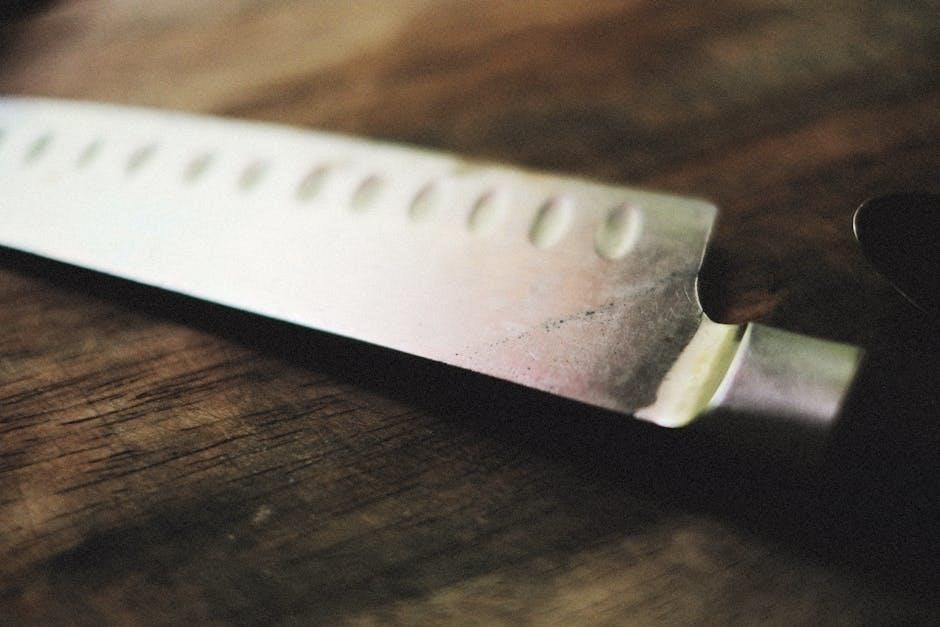
Regularly check your angle during sharpening to ensure consistency․ Remember‚ the goal is to create a uniform bevel along the entire blade length‚ resulting in a sharp and durable edge․
Sharpening Techniques with a Whetstone
Whetstone sharpening demands patience and technique․ Begin with a coarse grit (around 400-1000) to repair damaged edges‚ progressing to medium (1000-3000) and fine (3000-8000) grits for refinement․ Always lubricate the stone with water or honing oil to prevent clogging and ensure smooth sharpening․

Employ a consistent angle (typically 15-20 degrees) and use overlapping strokes‚ moving the blade across the stone․ Maintain even pressure and alternate sides with each stroke․ Focus on creating a burr – a tiny‚ rough edge – along the blade’s opposite side‚ indicating metal removal․
Once a burr is established‚ reduce pressure and refine the edge with finer grits‚ gradually diminishing the burr until a razor-sharp edge is achieved․ Clean the blade thoroughly after sharpening․
Flat Ground Knives Sharpening
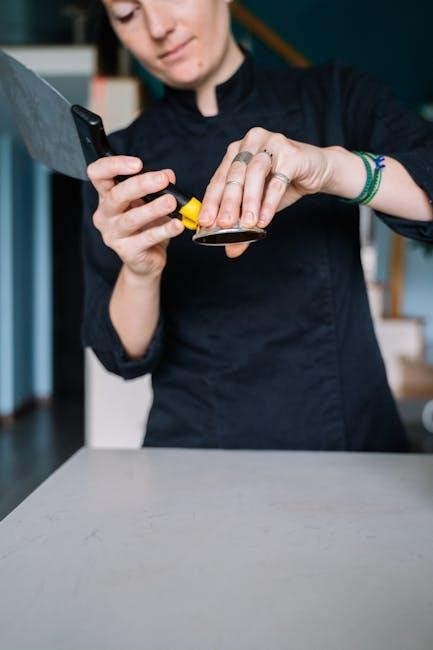
Flat ground knives‚ characterized by a consistent angle from the spine to the edge‚ are among the most common and easiest to sharpen․ Begin with a coarse grit whetstone to address any significant dullness or damage‚ establishing a consistent bevel․ Maintain a stable angle – typically between 15 and 20 degrees – throughout the sharpening process․
Utilize full-length strokes‚ ensuring the entire blade edge contacts the stone․ Alternate sides with each stroke‚ applying moderate and even pressure․ Focus on creating a burr along the entire length of the blade‚ indicating metal removal․
Progress through medium and fine grits‚ reducing pressure with each step to refine the edge and eliminate the burr․ Stropping on leather can further polish the edge for exceptional sharpness․
Convex Ground Knives Sharpening
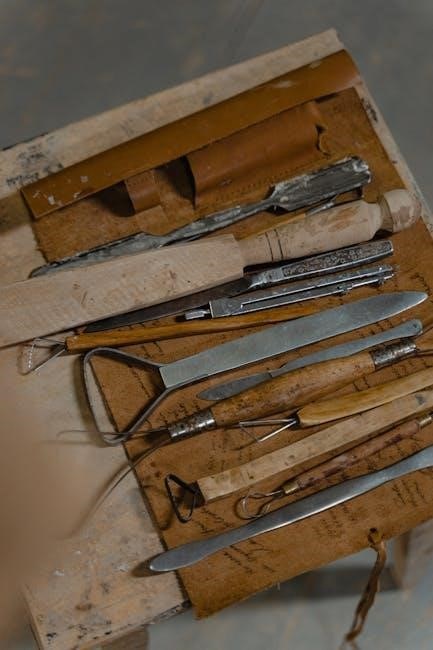
Convex ground knives‚ featuring a curved edge profile‚ present a unique sharpening challenge․ Unlike flat grinds‚ they lack a distinct shoulder‚ requiring a slightly different approach․ Avoid applying excessive pressure concentrated on a single point‚ as this can distort the convex shape․
Employ a whetstone with a gentler curve or utilize a sharpening system designed for convex edges․ Focus on sweeping motions that follow the curve of the blade‚ gradually refining the edge․ Maintaining a consistent angle is still vital‚ but it will be more subtle than with flat grinds․
Pay close attention to the burr‚ ensuring it’s evenly distributed along the curved edge․ Progress through finer grits to polish and refine the convex profile‚ achieving a robust and durable edge․
Using a Honing Rod for Edge Maintenance
A honing rod doesn’t sharpen a knife; it realigns the microscopic teeth on the blade’s edge that bend during use․ Regular honing – even before each use – maintains sharpness and extends the time between sharpenings․ Hold the honing rod vertically with the tip resting on a stable surface․
Maintain a consistent angle – typically around 20 degrees – and draw the knife blade across the rod‚ heel to tip‚ with light pressure․ Alternate sides with each stroke‚ ensuring even realignment․ Focus on smooth‚ controlled movements rather than forceful grinding․
Steel honing rods offer a classic feel‚ while ceramic rods provide a slightly more abrasive action․ Honing is a quick and easy process that significantly improves cutting performance and prolongs the life of your knives․
Testing for Sharpness: The Paper Test
The paper test is a simple‚ reliable method to assess your knife’s sharpness․ Take a sheet of standard printer paper and hold it vertically․ Carefully attempt to slice downwards through the paper with your freshly sharpened knife‚ using a gentle drawing motion rather than forceful chopping․
A truly sharp knife will slice cleanly through the paper without tearing or requiring multiple passes․ If the knife tears or crumples the paper‚ it indicates the edge isn’t yet refined enough and requires further sharpening․ Repeat the test in several areas along the blade to ensure consistent sharpness․
This test provides immediate feedback on your sharpening progress and helps you determine when the desired level of sharpness has been achieved․ Remember safety first – always exercise caution when handling sharp knives․
Common Sharpening Mistakes to Avoid
One frequent error is using too much pressure during sharpening‚ which can damage the blade and distort the edge․ Maintain a light‚ consistent pressure throughout the process․ Another mistake is inconsistent angles; strive for a steady angle to ensure an even bevel․ Failing to soak whetstones properly (if required) hinders effective sharpening․
Avoid rushing the process – sharpening requires patience and precision․ Using dull or damaged sharpening tools will yield poor results․ Neglecting to clean the blade between sharpening passes can clog the stone․ Sharpening in circular motions instead of following the grain is also a common pitfall․

Finally‚ forgetting to strop after sharpening leaves a slightly rough edge․ By avoiding these mistakes‚ you’ll achieve a consistently sharp and durable blade․
Maintaining Your Sharpened Edge
Regular honing is key to preserving a sharp edge between full sharpenings․ Use a honing rod before or after each use to realign the blade’s microscopic edge․ Proper knife storage is also crucial; avoid loose storage in drawers where blades can dull against other utensils․
Employ cutting boards made of wood or plastic – glass or ceramic boards rapidly dull edges․ Avoid twisting or prying with your knives‚ as this can bend or chip the blade․ Handwashing is preferable to dishwashers‚ which can be harsh on blades․
Consider a magnetic knife strip for safe and edge-preserving storage․ Regular‚ gentle maintenance extends the life of your sharpening and keeps your knives performing optimally․
Sharpening Different Knife Types
Straight edge knives‚ the most common type‚ benefit from standard whetstone sharpening techniques‚ maintaining a consistent angle along the entire blade․ Serrated knives‚ however‚ require a different approach․ Attempting to sharpen them with a whetstone can damage the delicate teeth․
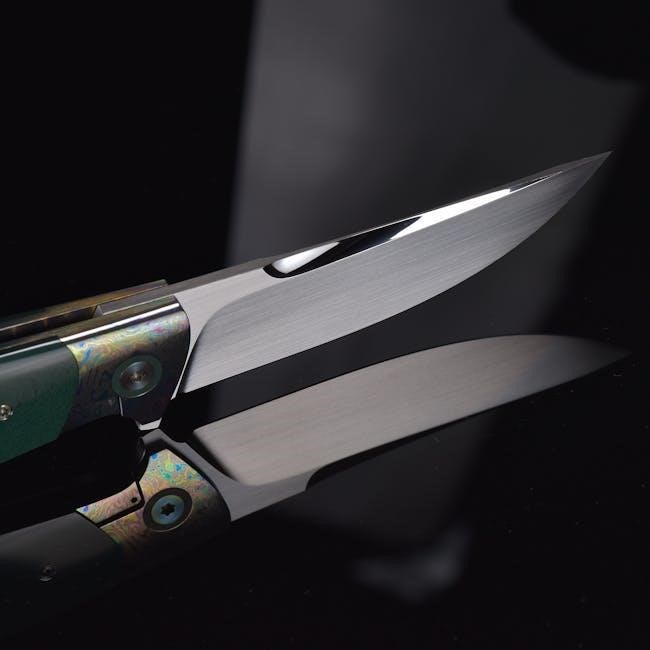
Instead‚ specialized serrated knife sharpeners are recommended‚ designed to carefully reshape each tooth without removing excessive material․ These tools often feature a contoured guide to match the tooth geometry․ Avoid aggressive sharpening‚ as it can alter the knife’s intended function․
Professional sharpening services are often the best option for heavily damaged or complex serrated edges․ Understanding the blade’s geometry is crucial for achieving optimal results and preserving its cutting ability․
Straight Edge Knives
Sharpening straight edge knives is a foundational skill‚ applicable to most kitchen and utility blades․ Begin by establishing a consistent angle‚ typically between 15 and 20 degrees‚ crucial for a durable and effective edge․ Utilize a whetstone‚ progressing through different grits – coarse for reshaping‚ medium for refining‚ and fine for polishing․
Maintain even pressure and consistent strokes along the blade‚ working from heel to tip․ Alternate sides with each stroke to ensure uniform sharpening․ Honing rods are excellent for maintaining this edge between sharpenings‚ realigning the blade’s microscopic teeth․
Regular honing prevents dulling and extends the time between full sharpening sessions․ Proper technique and consistent practice are key to achieving a razor-sharp‚ long-lasting edge on your straight edge knives․
Serrated Knives
Sharpening serrated knives presents a unique challenge due to their distinct tooth pattern․ Unlike straight-edge knives‚ serrated knives aren’t typically sharpened with a whetstone․ Instead‚ specialized sharpening tools designed for serrations are required to avoid damaging the delicate teeth․
These tools often resemble small files and are used to carefully reshape and refine each individual serration․ Focus on maintaining the original angle of the teeth‚ working slowly and deliberately․ Avoid applying excessive pressure‚ which can lead to breakage or uneven sharpening․
Professional sharpening services are often recommended for serrated knives‚ especially for complex serration patterns․ Attempting to sharpen them yourself without the proper tools and technique can easily result in irreversible damage․ Regular maintenance with a honing steel can help prolong sharpness․
DIY Sharpening Methods (Alternative Tools)
While professional tools are ideal‚ surprisingly effective sharpening can be achieved with everyday items․ A ceramic coffee mug‚ turned upside down‚ can function as a makeshift honing tool‚ realigning the blade’s edge with gentle strokes․ Similarly‚ the back of a ceramic plate offers a comparable abrasive surface․

For more substantial sharpening‚ fine-grit sandpaper adhered to a flat surface – like a glass table or a mousepad – can remove metal and create a new edge․ Start with a coarser grit and progress to finer grits for a polished finish․ Always maintain a consistent angle throughout the process․
These methods require patience and practice‚ and won’t yield results as refined as professional sharpening․ However‚ they provide viable options for quick touch-ups or when traditional tools aren’t available․ Remember safety first‚ and proceed with caution․
Professional Knife Sharpening Services
For those seeking the highest level of sharpness and edge restoration‚ professional knife sharpening services are an excellent investment․ Skilled sharpeners possess the expertise to handle a wide range of knife types and materials‚ utilizing specialized equipment for precise results․ Services like Master Sharpener (Walker‚ LA) and others offer convenient solutions for maintaining your cutlery․
Professional sharpening goes beyond simply creating an edge; it involves assessing the blade’s condition‚ correcting any damage‚ and optimizing the angle for its intended use․ This ensures longevity and peak performance․ Benefits include consistent results‚ time savings‚ and the avoidance of potential damage from improper DIY sharpening․
Consider professional services for valuable knives or when you lack confidence in your sharpening skills․ Regular professional sharpening – typically every 6-12 months – will keep your knives in optimal condition‚ enhancing safety and culinary enjoyment․