
psychosocial stages of development pdf
Psychosocial development encompasses the evolving interplay of personality, emotions, and social interactions throughout life, profoundly impacting well-being.
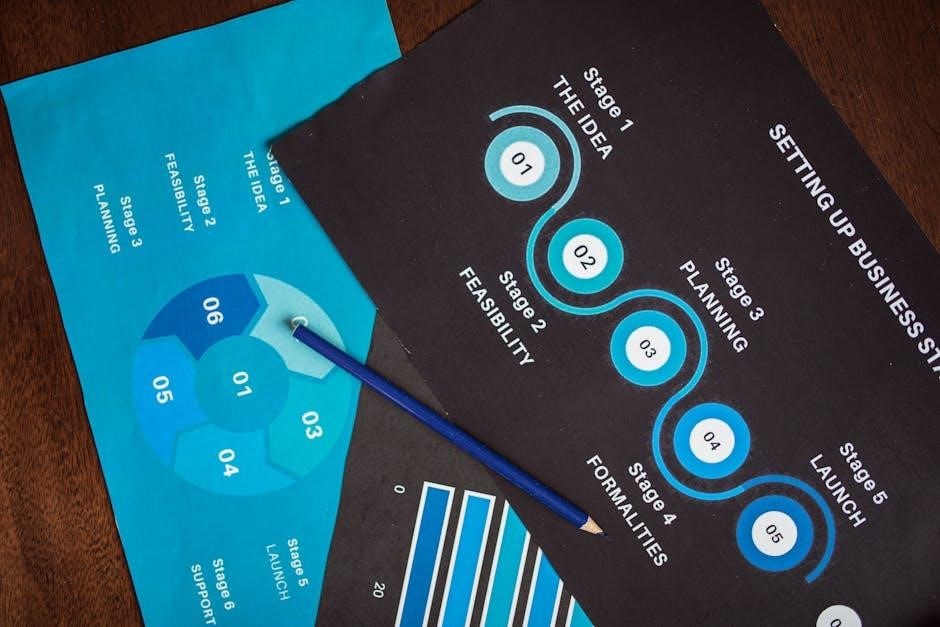
Erikson’s stages detail eight phases shaping personality, identity, and psychological skills, offering a framework for understanding human growth.
These developmental stages, from infancy to adulthood, present conflicts—like trust versus mistrust—that mold an individual’s character and social aptitude.
What is Psychosocial Development?
Psychosocial development is a complex process charting the evolution of an individual’s personality, emotional landscape, and crucial social interactions across their entire lifespan. It delves into the dynamic relationship between psychological factors – internal thoughts and feelings – and social influences, profoundly shaping overall development and well-being.
This intricate process isn’t merely about acquiring skills; it’s about navigating the challenges and opportunities presented at each life stage, fostering a sense of self, and building meaningful connections. Understanding this development is key to supporting healthy growth.
Erik Erikson’s Theory: An Overview
Erik Erikson’s theory proposes eight distinct psychosocial stages, each characterized by a unique developmental “crisis” or conflict that individuals must navigate throughout life. These stages aren’t rigid; rather, they represent phases of growth where successful resolution leads to the development of specific virtues.
From infancy’s ‘Trust vs. Mistrust’ to late adulthood’s ‘Integrity vs. Despair’, each stage builds upon the previous, shaping personality, identity, and psychological skills. The theory emphasizes the impact of social interaction and relationships on development.

Stage 1: Trust vs. Mistrust (Infancy ─ 0-1.5 years)
Infancy’s core task involves developing a fundamental sense of trust, primarily through consistent and responsive caregiving, or experiencing mistrust.
Key Characteristics of the Trust vs. Mistrust Stage
This initial stage, spanning from birth to approximately 1.5 years, centers on the infant’s reliance on caregivers for fulfilling basic needs like feeding, comfort, and safety. Consistent, predictable care fosters a sense of trust, allowing the child to view the world as a secure place.
Conversely, unreliable or inconsistent care can lead to mistrust, anxiety, and a feeling of insecurity. The infant learns whether or not they can depend on others, forming a foundational worldview.
Successful navigation of this stage results in hope and confidence, while unresolved issues can manifest as fear and suspicion later in life.
Impact of Successful vs. Unsuccessful Resolution
Successfully resolving the Trust vs. Mistrust stage cultivates a fundamental sense of hope, optimism, and the belief in a predictable world. This positive foundation enables the child to form healthy attachments and approach future challenges with confidence.
However, an unsuccessful resolution—characterized by persistent mistrust—can lead to anxiety, insecurity, and difficulty forming close relationships. These individuals may struggle with emotional regulation and exhibit a pessimistic outlook.
The early experiences profoundly shape personality, influencing future psychosocial development and overall well-being throughout the lifespan.

Stage 2: Autonomy vs. Shame and Doubt (Early Childhood ─ 1.5-3 years)
This stage centers on developing a sense of personal control and independence, as toddlers explore their abilities and assert their will.
Developing a Sense of Independence
During the autonomy versus shame and doubt stage, children actively strive to gain control over their actions and environments. This manifests as a desire to dress themselves, feed themselves, and explore their surroundings without constant adult intervention.
Successful navigation of this stage relies on encouragement and support from caregivers, allowing children to make choices and experience the consequences—within safe boundaries.
Opportunities for self-expression and problem-solving are crucial, fostering a belief in their own capabilities and building a foundation for future self-reliance.
Potential Outcomes of This Stage
If children are overly controlled or criticized during the autonomy versus shame and doubt stage, they may develop feelings of inadequacy and self-doubt. This can lead to a lack of confidence in their abilities and a reluctance to try new things.
Conversely, successful resolution fosters a sense of independence, self-confidence, and a willingness to take initiative.
A healthy balance between guidance and freedom is essential, allowing children to explore their capabilities while feeling secure and supported.
Stage 3: Initiative vs. Guilt (Preschool Years ⸺ 3-5 years)
Preschoolers begin exploring, planning, and initiating activities, developing a sense of purpose. Supportive environments nurture initiative, while criticism fosters guilt.
Exploring and Taking Initiative
During the initiative versus guilt stage, children aged three to five years actively explore their environment and assert control. This involves planning activities, making up games, and initiating interactions with others.
Successful navigation of this stage relies on encouragement and support from caregivers, allowing children to freely express themselves and experiment. A child’s natural curiosity blossoms when they are given opportunities to lead and make choices.
This proactive engagement fosters a sense of purpose and direction, laying the groundwork for future self-confidence and leadership skills.
The Role of Guilt in Development
When children’s initiatives are consistently met with criticism or punishment, feelings of guilt can emerge, hindering their willingness to take risks and explore new possibilities. This can lead to a sense of self-doubt and a reluctance to assert themselves.
However, a healthy dose of guilt isn’t necessarily negative; it can signal an understanding of societal expectations and moral boundaries.
The key lies in finding a balance – allowing exploration while providing guidance and constructive feedback, fostering a sense of responsibility without stifling creativity.

Stage 4: Industry vs. Inferiority (School Age ⸺ 5-12 years)
School-aged children develop competence and skills through learning, striving for mastery, and gaining recognition from peers and teachers.
Developing Competence and Skills
During the Industry vs. Inferiority stage, children actively seek to master new skills and knowledge, both in academic settings and through extracurricular activities. Success in these endeavors fosters a sense of competence and self-confidence, crucial for future development.
Positive reinforcement from teachers, parents, and peers plays a vital role in bolstering this feeling of capability. Children learn to take pride in their accomplishments and develop a belief in their ability to succeed. This stage is characterized by a growing desire to demonstrate proficiency and contribute meaningfully.
Dealing with Feelings of Inferiority
Conversely, repeated failures or negative experiences during the Industry vs. Inferiority stage can lead to feelings of inadequacy and self-doubt. Children may begin to believe they lack the necessary skills or intelligence to succeed, hindering their motivation and self-esteem.
These feelings can manifest as a reluctance to try new things, a fear of failure, and a tendency to compare themselves unfavorably to others. Supportive environments and encouragement are vital to help children overcome these challenges and develop a positive self-image.
Stage 5: Identity vs. Role Confusion (Adolescence ─ 12-18 years)
Adolescence is a pivotal period for forming a sense of self, exploring values, and establishing a personal identity amidst societal expectations.
Forming a Sense of Self
During adolescence (12-18 years), individuals grapple with questions of “Who am I?” and “What do I believe?” This crucial stage, as outlined by Erikson, centers on the development of a coherent and stable identity.
Exploration of values, beliefs, and goals is paramount, often involving experimentation with different roles and lifestyles. Successful navigation leads to a strong sense of self, while struggles can result in role confusion—uncertainty about one’s place in the world.
This process isn’t solely internal; social interactions and peer relationships significantly influence identity formation, providing feedback and opportunities for self-discovery.
Navigating Role Confusion
Role confusion emerges when adolescents struggle to integrate various influences into a unified sense of self. This can manifest as uncertainty about career paths, relationships, or personal values, leading to anxiety and a lack of direction.
Without a firm identity, individuals may drift aimlessly, adopting roles that don’t align with their true selves or becoming overly influenced by peer pressure. This stage requires exploration and commitment.
Successfully resolving this conflict involves making conscious choices and accepting responsibility for one’s identity, fostering a sense of authenticity and purpose.
Stage 6: Intimacy vs. Isolation (Young Adulthood ─ 18-40 years)
Young adulthood centers on forming intimate, loving relationships; failure leads to emotional isolation and loneliness, hindering personal growth and fulfillment.
Establishing Intimate Relationships
Successfully navigating this stage involves forming reciprocal, committed, and emotionally close relationships – be they romantic, familial, or strong friendships. This requires vulnerability, self-disclosure, and a capacity for empathy and compromise.
Individuals strive for deep connections, sharing their lives and experiences with another, fostering a sense of belonging and mutual support. The ability to balance personal needs with the needs of a partner is crucial.
A successful resolution cultivates lasting bonds, enriching life with shared joy and resilience, while preparing individuals for future generative roles.
The Fear of Isolation
Conversely, failure to establish meaningful intimacy can lead to feelings of loneliness, emotional isolation, and a sense of being disconnected from others. This isn’t merely physical solitude, but a deeper lack of genuine connection.
Individuals may struggle with commitment, fear rejection, or avoid vulnerability, hindering their ability to form lasting bonds. Superficial relationships may offer temporary relief, but ultimately fail to satisfy the need for true intimacy.
This fear can manifest as anxiety, depression, and difficulty trusting others, impacting overall well-being and future relationship prospects.
Stage 7: Generativity vs. Stagnation (Middle Adulthood ⸺ 40-65 years)
During middle adulthood, individuals focus on contributing to society and guiding future generations, or risk feeling unproductive and lacking purpose.
Contributing to Society and Future Generations
Generativity, in Erikson’s seventh stage, centers on making a lasting impact beyond oneself. This involves actively contributing to the next generation through parenting, mentoring, or creative endeavors.
Successful navigation of this stage fosters feelings of usefulness and accomplishment, solidifying a sense of purpose. Individuals demonstrate commitment to establishing and guiding the following generation.
This contribution isn’t limited to biological offspring; it extends to any activity that leaves a positive mark on the world, enriching society and ensuring continuity.
Experiencing Stagnation and Lack of Purpose
Stagnation arises when individuals feel unproductive and uninvolved in the world around them, failing to contribute meaningfully to society or future generations.
This can manifest as a sense of being stuck, lacking motivation, and feeling disconnected from others, leading to self-absorption and a limited perspective.
Without generative involvement, individuals may experience a profound sense of emptiness and a questioning of their life’s purpose, hindering personal growth and fulfillment.

Stage 8: Integrity vs. Despair (Late Adulthood ⸺ 65+ years)
Late adulthood involves reflecting on life’s journey, seeking meaning and acceptance of both successes and failures, fostering a sense of integrity.
Reflecting on Life and Finding Meaning
During late adulthood, individuals engage in a profound life review, contemplating their accomplishments, relationships, and experiences. This introspection aims to establish a sense of coherence and meaning in their life story.
Successfully navigating this stage involves accepting life’s inevitable challenges and finding satisfaction in what has been achieved. A feeling of wholeness emerges from acknowledging both positive and negative aspects of one’s past.
Those who can view their lives with acceptance and a sense of fulfillment experience integrity, while those burdened by regret may succumb to despair.
Facing Despair and Regret
Unresolved conflicts from earlier stages can culminate in feelings of despair and regret during late adulthood. A life perceived as unfulfilled, marked by missed opportunities or broken relationships, fosters profound dissatisfaction.
Individuals may grapple with a sense of bitterness, feeling they haven’t lived a meaningful life or contributed positively to the world. This can lead to isolation, depression, and a fear of impending death.
Acknowledging past failures without self-compassion intensifies these negative emotions, hindering acceptance and peace.

Psychosocial Risk Factors and Development
Psychosocial risk factors—stressors from varied causes—can uniquely impact development, influencing emotional, social, and psychological growth throughout the lifespan.
Identifying Common Psychosocial Risk Factors
Numerous factors contribute to psychosocial risks, potentially hindering healthy development across Erikson’s stages. These include experiences of significant stress, arising from diverse circumstances, and impacting individuals uniquely.
Researchers at Simon Fraser University have identified several key psychosocial risk factors through extensive study. These factors can disrupt the successful resolution of stage-specific conflicts, leading to negative outcomes.
Understanding these risks—ranging from adverse childhood experiences to workplace stressors—is crucial for promoting well-being and supporting optimal psychosocial development throughout life.
Impact of Stress on Psychosocial Development
Psychosocial stress significantly influences development, often stemming from varied causes and manifesting uniquely in each individual. Experiencing stress can impede progress through Erikson’s stages, hindering the resolution of critical conflicts.
Elevated stress levels may disrupt the development of trust in infancy, autonomy in early childhood, or identity during adolescence, leading to maladaptive outcomes.
Managing stress effectively is therefore paramount for fostering healthy psychosocial growth and ensuring individuals navigate life’s challenges with resilience and well-being.
Psychosocial Interventions
Psychosocial interventions utilize techniques to reduce distress, alleviating anxiety and depression while bolstering social connections for improved well-being.
These programs aim to support individuals navigating Erikson’s stages and fostering positive developmental outcomes.
Types of Psychosocial Interventions
A diverse range of interventions address psychosocial needs, tailored to specific stages of development and individual challenges. Cognitive Behavioral Therapy (CBT) helps modify negative thought patterns, while group therapy fosters social support and shared experiences.
Family therapy strengthens familial bonds and communication, crucial for resolving conflicts impacting development. Psychodynamic therapy explores unconscious processes influencing behavior, and support groups offer peer-to-peer assistance.
Psychoeducation empowers individuals with knowledge about mental health, and mindfulness-based interventions promote emotional regulation. These approaches aim to reduce distress and enhance coping mechanisms throughout the lifespan.
Effectiveness of Interventions
Research demonstrates that psychosocial interventions can significantly reduce anxiety and depression, key indicators of well-being across developmental stages. CBT proves effective in managing various psychological challenges, while family therapy improves communication and reduces conflict.
Group interventions foster social connection and reduce feelings of isolation, particularly beneficial during adolescence and young adulthood. Mindfulness practices enhance emotional regulation and resilience.
Intervention success hinges on factors like client motivation, therapist skill, and cultural sensitivity, ensuring tailored support for optimal outcomes.

Psychosocial Impacts of Trauma
Trauma profoundly affects psychosocial well-being, extending beyond physical injuries to survivors and families during recovery, impacting all developmental stages.
Burn Injuries and Psychosocial Well-being
Burn injuries carry profound psychosocial consequences, extending far beyond the physical healing process; they deeply affect survivors and their families throughout the entire recovery journey.
These impacts can disrupt progress across Erikson’s psychosocial stages, potentially leading to setbacks in trust, autonomy, initiative, and identity formation.
Effective, holistic care necessitates addressing these complex psychosocial needs alongside medical treatment, acknowledging the lasting emotional and social ramifications of burn trauma.
Addressing Psychosocial Needs After Trauma
Post-trauma care must prioritize psychosocial interventions to mitigate distress, reduce anxiety and depression, and foster social reconnection, acknowledging disruptions to psychosocial development.
Understanding Erikson’s stages helps tailor support; trauma can regress individuals, demanding interventions that rebuild trust, autonomy, and a sense of control.
Effective strategies include trauma-focused therapy, support groups, and family counseling, aiming to restore psychological safety and promote healthy coping mechanisms.
Psychological Safety and Psychosocial Safety Climate
Workplace safety, encompassing psychological and psychosocial aspects, is crucial for worker well-being, job satisfaction, and overall organizational health.
Importance in the Workplace
A safe environment is paramount; psychological safety and a positive psychosocial climate directly enable job satisfaction and enhance worker health. Recognizing that individuals progress through Erikson’s stages—trust, autonomy, initiative, and beyond—highlights the need for supportive workplaces.
Understanding these developmental phases allows organizations to foster environments where employees feel secure expressing ideas, taking risks, and contributing fully. Ignoring these psychosocial needs can lead to stress, burnout, and decreased productivity, ultimately impacting the organization’s success.
Prioritizing psychological well-being isn’t merely ethical; it’s strategically advantageous, fostering a resilient and engaged workforce.
Creating a Safe and Supportive Environment
Cultivating safety requires proactive measures acknowledging employees’ psychosocial needs across all Erikson’s stages. This includes fostering open communication, encouraging feedback, and promoting a culture of respect where vulnerability isn’t penalized.
Supportive leadership plays a crucial role, demonstrating empathy and providing resources for stress management and mental well-being. Recognizing that individuals are navigating challenges related to identity, intimacy, and generativity is vital.
Prioritizing well-being builds trust, boosts morale, and ultimately enhances productivity and organizational success.
Resources for Further Learning (PDF Focus)
Reliable PDF resources on Erikson’s stages offer in-depth exploration of psychosocial development, aiding educational pursuits and providing comprehensive theoretical insights.
Finding Reliable PDF Resources on Erikson’s Stages
Locating trustworthy PDF documents requires careful consideration of source credibility. University websites, academic databases (like JSTOR or PubMed), and reputable psychological organizations frequently host scholarly articles and comprehensive guides detailing Erikson’s psychosocial stages.
Avoid sources with unclear authorship or biased perspectives. Look for PDFs published by established researchers or institutions. Keyword searches such as “Erikson stages PDF,” “psychosocial development PDF,” or “Erikson theory PDF” can yield relevant results, but always verify the source’s authority before relying on the information presented.
Government and educational resources often provide well-researched and unbiased materials suitable for academic study and deeper understanding.
Utilizing PDF Materials for Educational Purposes
PDF resources on Erikson’s stages are invaluable for structured learning. They allow for focused study, annotation, and offline access, enhancing comprehension of complex concepts like trust vs. mistrust or identity vs. role confusion.
Effectively use PDFs by actively reading, highlighting key points, and creating summaries. Cross-reference information from multiple sources to ensure a well-rounded understanding. Utilize search functions within the PDF to quickly locate specific stages or related terms.
Consider PDFs as supplementary material alongside textbooks and lectures, fostering a deeper engagement with the theory.
Criticisms and Limitations of Erikson’s Theory
Erikson’s theory faces critique regarding cultural universality and rigid stage specificity; contexts vary, and development isn’t always sequential.
Cultural Considerations
Erikson’s stages, while influential, were primarily developed based on Western cultural norms, potentially overlooking variations in development across different societies.
Cultural values significantly shape how individuals navigate psychosocial crises; for example, concepts of independence versus interdependence differ greatly.
The emphasis on individual identity formation may not resonate universally, as collectivist cultures prioritize group harmony and familial obligations.
Researchers must acknowledge these nuances when applying Erikson’s framework, adapting interpretations to reflect specific cultural contexts and avoiding ethnocentric biases.
PDF resources exploring cross-cultural psychology can offer valuable insights into these diverse developmental pathways.
Stage Specificity Concerns
Erikson’s theory proposes rigid age ranges for each stage, yet individual development rarely adheres to such strict timelines; progression varies significantly.
Individuals may revisit earlier stages or experience conflicts out of sequence due to life events or personal circumstances, challenging the linear model.
The notion of a “crisis” at each stage can be overly dramatic; development is often more fluid and gradual than a decisive resolution implies.
PDF analyses suggest that focusing solely on stage attainment overlooks the continuous interplay of psychosocial factors throughout life.
A more nuanced view acknowledges developmental plasticity and the potential for ongoing growth beyond adolescence.